What Are Forestry Mulcher Teeth and How Do They Work
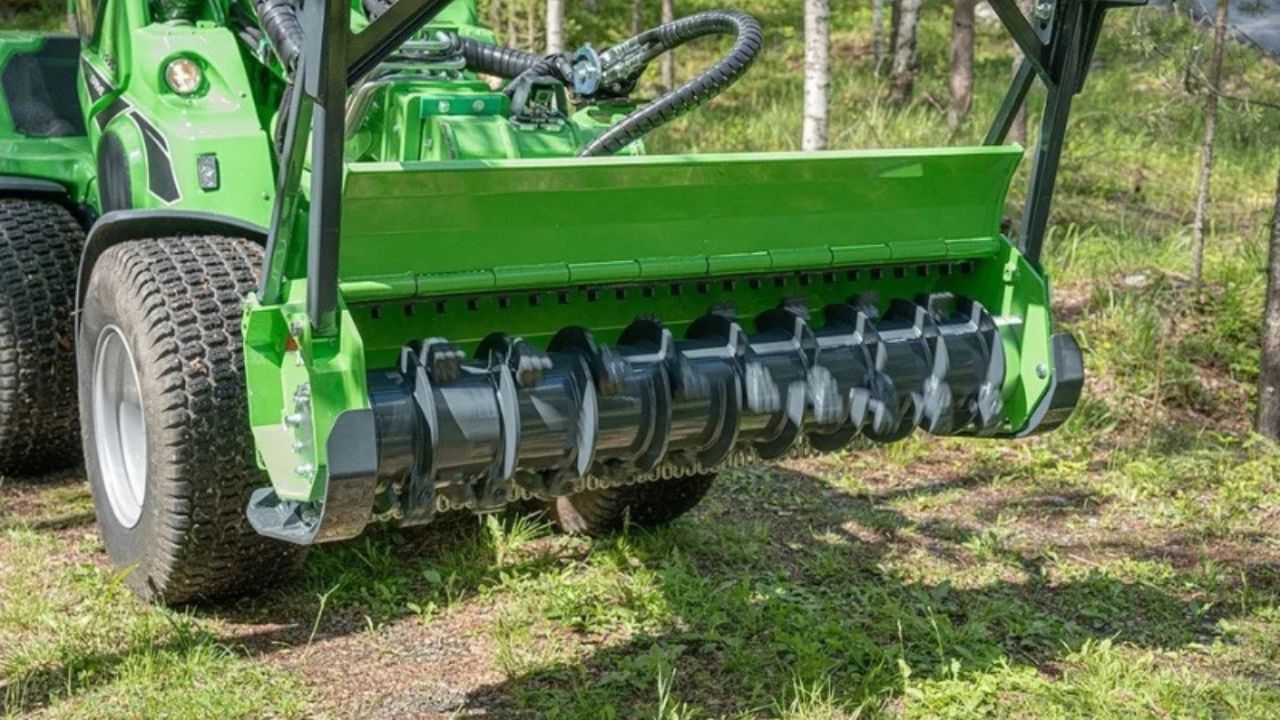
The forestry mulcher teeth are small but important components of land-clearing machines. They are mounted on the cutting rotor and cut vegetation. Without them, this machine cannot function. These teeth vary in shape and material depending on the job. There are those made for soft vegetation, and others for hardwood and rocky environments. JYF Machinery provides a variety of these teeth for different field applications.
Basic Role of the Teeth
The basic function of mulcher teeth is very simple. These teeth are responsible for striking, cutting, and breaking down the vegetation into small pieces. This is done as the rotor rotates, repeatedly striking the vegetation to break it down. This means that there is no need to remove any vegetation from the site after clearing.
How They Move
The teeth of the forestry mulcher are rigidly attached to a moving part within the machinery. In its rotation, each tooth moves along a circular path. Upon contact with plant parts, it exerts pressure and cuts. The rotation speed and shape of the teeth determine the processing rate. Fast rotation aids cutting softer materials, while hard cutting is required for tougher ones.
Types of Motion
Not all teeth move the same way during cutting. Some are fixed tightly and rely on direct impact. There are those that are fitted so that they can move slightly when they encounter some resistance. This characteristic makes a lot of difference to how the machine works. Machines with fixed knives are known to make tougher cuts than those with flexible knives and reduce stress on the machine during tough cuts.
Cutting Process
When these teeth come into contact with a tree or branch, they don’t sever it all at once. They work in stages, with each successive cutting process chipping off a small part of the whole until it is severed. It also explains why worn teeth reduce machine performance so quickly.
Materials Used
Forestry mulcher teeth are made of strong metal because they endure constant impact. Some are constructed from hard steel, while others have strengthened points to prolong their life span. The material selected determines how long the teeth will be functional before requiring replacement. In demanding work environments, harder materials may be used to increase durability.
Carbide Tips
Many modern teeth include carbide tips. These tips are harder than regular steel and help the tooth stay sharp for longer. Carbide is useful when working with rocky soil or hardwood. It reduces the speed at which the cutting edge wears down, although it can be more expensive to replace.
Wear and Tear
As teeth are used, they gradually lose their sharpness. This makes cutting less efficient and puts more strain on the machine. Regular wear is expected in all forestry work. Machines from JYF Machinery are often designed so that worn teeth can be replaced without much delay, helping keep work moving.
Impact on Machine Power
Sharpened teeth require less power to cut plant materials. As the teeth lose their sharpness, the machine requires more effort to do the job. This extra load can affect fuel use and overall machine stress. Keeping teeth in good condition helps maintain steady performance during long working hours.
Ground Interaction
Forestry mulcher teeth not only affect plants, but also interact with the soil. In some cases, they touch the ground while cutting low vegetation. If the teeth are too aggressive or worn unevenly, they can dig into the soil more than intended. This is why proper maintenance is essential for keeping the work surface stable.
Replacement Timing
There is no fixed time for replacing mulcher teeth. It depends on how often the machine is used and the type of material being cut. Operators usually check for reduced cutting speed or uneven results as signs that replacement is needed. In many cases, parts supplied by JYF Machinery are chosen because they are designed for straightforward replacement in the field.
Safety Role
Worn or damaged teeth can create uneven cutting and increase the chance of machine vibration. This makes the operation less stable over time. Keeping teeth in proper condition helps reduce sudden stress on the rotor and keeps the machine running in a controlled way. It also helps prevent unnecessary damage to nearby components.
Final Working Effect
The combined action of all teeth on a rotor creates the final result seen on cleared land. What looks like simple grinding is actually a repeated process of impact and breakage. When the teeth are in good shape, the machine leaves behind evenly processed material. This makes land easier to manage and prepares it for future use.
Conclusion
Forestry mulcher teeth are small parts that control the main cutting action of a mulching machine. Their shape, material, and condition directly affect how well the machine performs in the field. From cutting motion to wear behavior, each detail plays a role in how land is cleared. Machines supported by JYF Machinery rely on these teeth to maintain steady operation across different working conditions, making them a key part of the overall system.